


Prince Harry security reviewed for first time in years as duke awaits answers
Prince Harry security reviewed for first time in years as duke awaits answers

Dorothy Reddin Sat, August 22, 2026 at 10:26 AM UTC
0
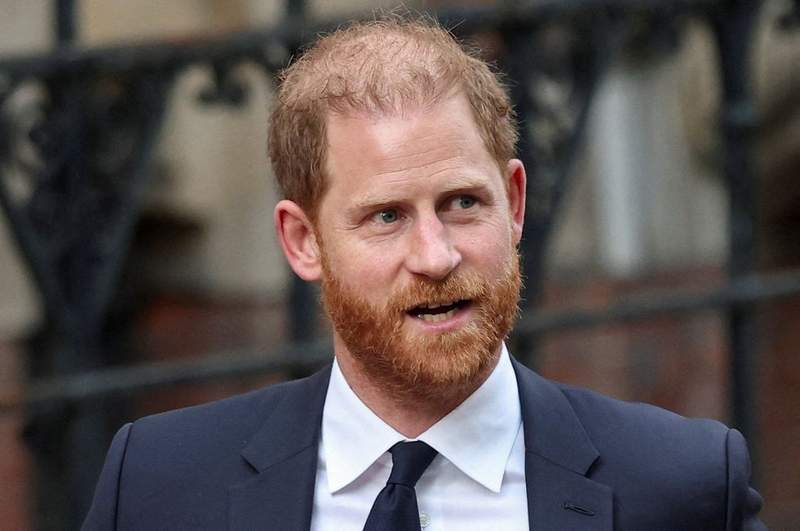
Prince Harry | Source: REUTERS
The security committee responsible for protecting royals and public figures has finally completed its long-awaited risk assessment of Prince Harry and his family, with the review understood to have been carried out at the end of July.
Ravec is now weighing whether the Duke of Sussex, the Duchess of Sussex, and their two children should be granted taxpayer-funded armed police protection upon their return to Britain.
Prince Harry has been pressing for the outcome ever since being formally notified that the assessment was finished.
GB News understands that the family's planned move back to the UK was accelerated after school places opened up for Prince Archie, seven, and Princess Lilibet, five, who had been on a waiting list for some time.
The completed review raises the possibility that the Sussexes could yet receive state-funded armed protection when they arrive in the country.
Harry's security was last formally evaluated in April 2019, when he was placed at the maximum threat level - seven out of seven - putting him on par with only Queen Elizabeth II and then-Prime Minister Theresa May.
The duke secured the right to a fresh risk assessment late last year, in what represented a significant reversal by the Home Office. He was initially told the review would be conducted in March, only to learn months later that all such assessments had been suspended.
The right to this analysis had been central to his high-profile legal challenge against the Government, in which he contended that no fair conclusions could be reached without a current evaluation of the threats he faces.
He lost that case in May 2025, attributing the defeat to an "establishment stitch-up". The Court of Appeal ruled that a sense of grievance did not constitute a sound legal argument.
Despite the Home Secretary having no direct role in decisions about individual protection arrangements, the duke has privately written to Shabana Mahmood, urging her to reconsider the approach to his security.
Ravec draws its membership from the Royal Household, the Metropolitan Police, the Home Office, the Cabinet Office and the Foreign Office.
Sir Clive Alderton, the King's private secretary, whom Harry once nicknamed "the Wasp", sits on the committee but has increasingly delegated attendance to his deputy, Theo Rycroft. Mr Rycroft is believed to have encouraged a gentler stance towards reconciliation with the Sussexes.
Advertisement
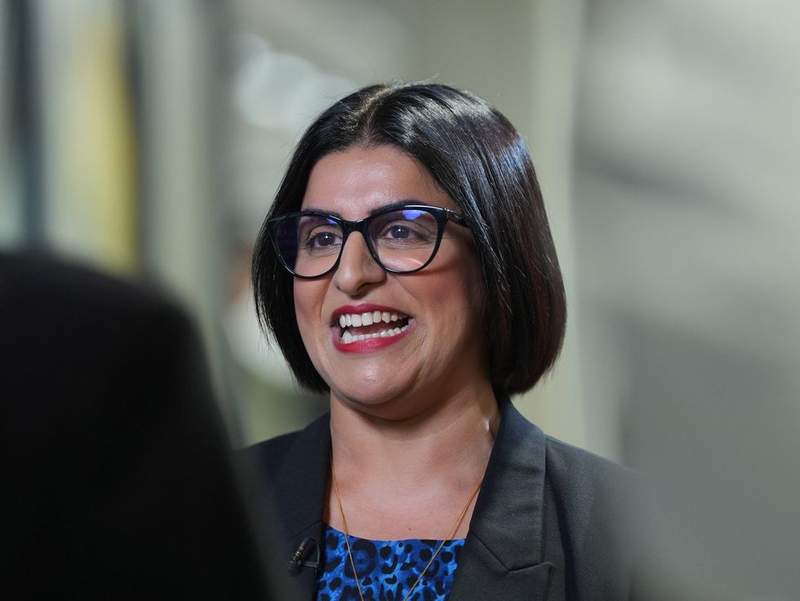
Shabana Mahmood | Source: PA
In practice, the committee has typically offered the duke little more than a contact number for a police liaison officer during his visits to Britain. Even that limited provision has often been communicated just a day or two before he is due to travel.
A 40-page threat assessment prepared by Harry's private security firm, commissioned at the Home Office's request, was among the materials submitted to the review board this year. It cautioned that a "violence attack" targeting Harry at a public gathering such as the Invictus Games could result in a "mass casualty event".
The document concluded that the duke faces an "elevated risk" on British soil, noting that five of six known domestic terror plots against him originated in the UK. At least four people behind those threats are believed to have been released from prison, with their current whereabouts unknown. Three further Britons who were jailed for plotting to harm him are also understood to be at large.
The assessment identified "lone actors" and "grassroots" terrorists as the gravest danger, particularly those drawn to public figures subjected to sustained negative media coverage. The portrayal of Harry as a "traitor" who threatens the monarchy serves only to stoke British nationalist hostility, the report added.
The estimated £5million annual price tag for protecting the Sussexes has drawn criticism, but the duke is understood to find such objections frustrating, viewing the sum as a negligible fraction of Ravec's total budget for safeguarding royals.
Harry has consistently maintained that the danger he faces was inherited from birth and has only grown more acute over time.
He argues that security should be determined by genuine risk and the specific threats a person faces, rather than being treated as a "perk of the job" or a "privilege".
Critics have pointed out that other non-working members of the Royal Family, including Peter Phillips, Zara Tindall, and Princesses Beatrice and Eugenie, manage without police protection, placing the duke in the same category.
Yet Harry maintains that, regardless of his changed status, he remains the King's son and "a symbol of the crown", with a host of outstanding threats against him.
A Home Office spokeswoman told GB News: “The UK Government’s protective security system is rigorous and proportionate.
“It is our long-standing policy not to provide detailed information on those arrangements, as doing so could compromise their integrity and affect individuals’ security.”
Our Standards: The GB News Editorial Charter
Source: “AOL Entertainment”
